Adult Entertainment
Tinto Brass, the Man, the Myth

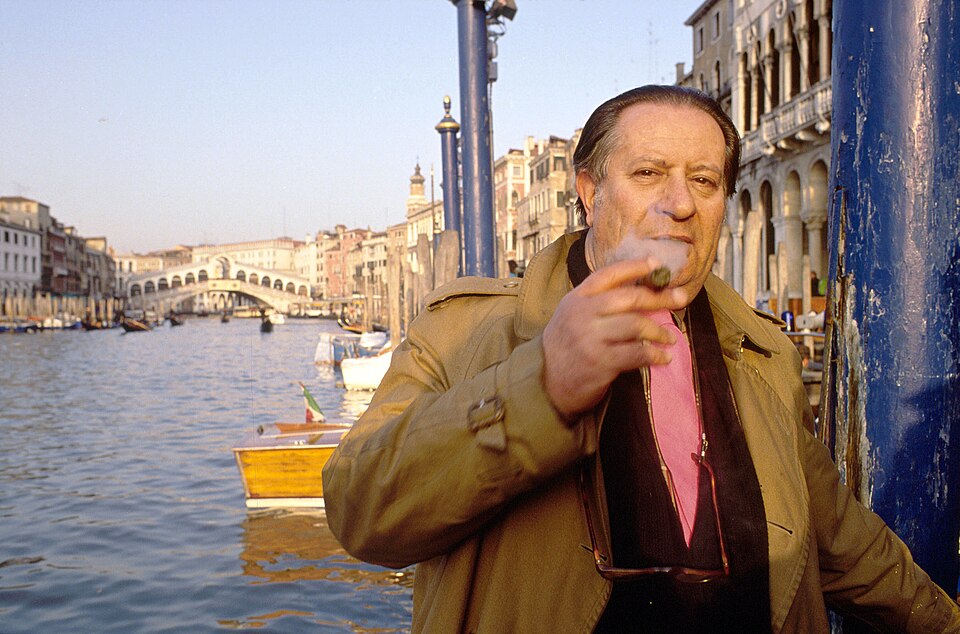
If you’ve ever watched a steamy Italian flick that lingers way too long on a woman’s backside and thought, “Yeah, that’s a whole vibe,” chances are Tinto Brass was behind the camera. Born Giovanni Brass in Milan on March 26, 1933, this guy turned a painter grandfather’s nickname “Tintoretto” into his legendary screen handle and spent decades pushing cinema’s boundaries—from wild avant-garde experiments to unapologetic erotic celebrations.
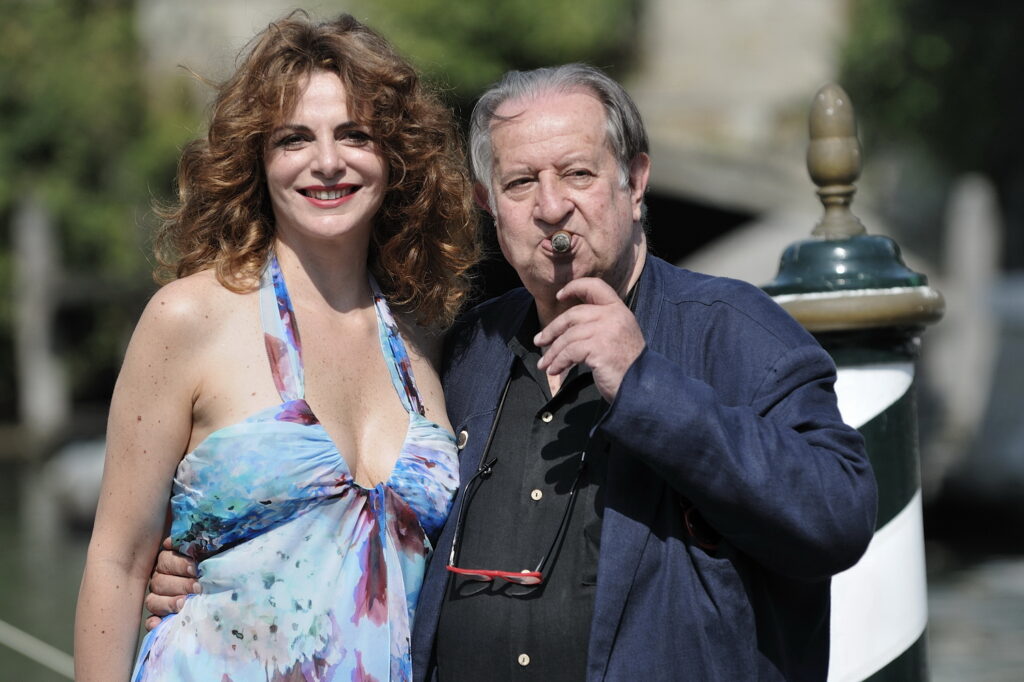
He started out rubbing shoulders with giants like Fellini (his hero) and Rossellini, cutting his teeth on Italian film sets before diving into directing. His early stuff in the ’60s and ’70s was pure art-house rebellion: think anti-establishment stories, psychedelic flourishes, and films that screened at big festivals. Movies like Chi lavora è perduto (Who Works Is Lost, 1963), L’urlo (The Howl, 1968), La Vacanza (Vacation, 1971) with Vanessa Redgrave and Franco Nero, and the spaghetti western Yankee (1966) showed a restless talent who didn’t play by Hollywood rules.
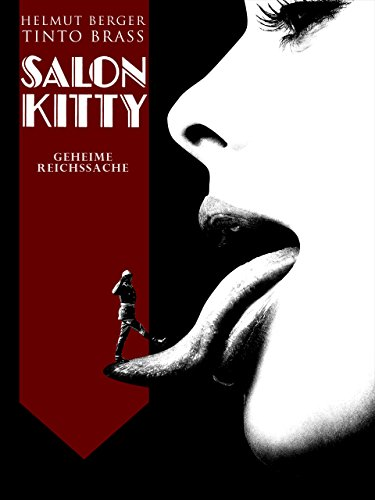
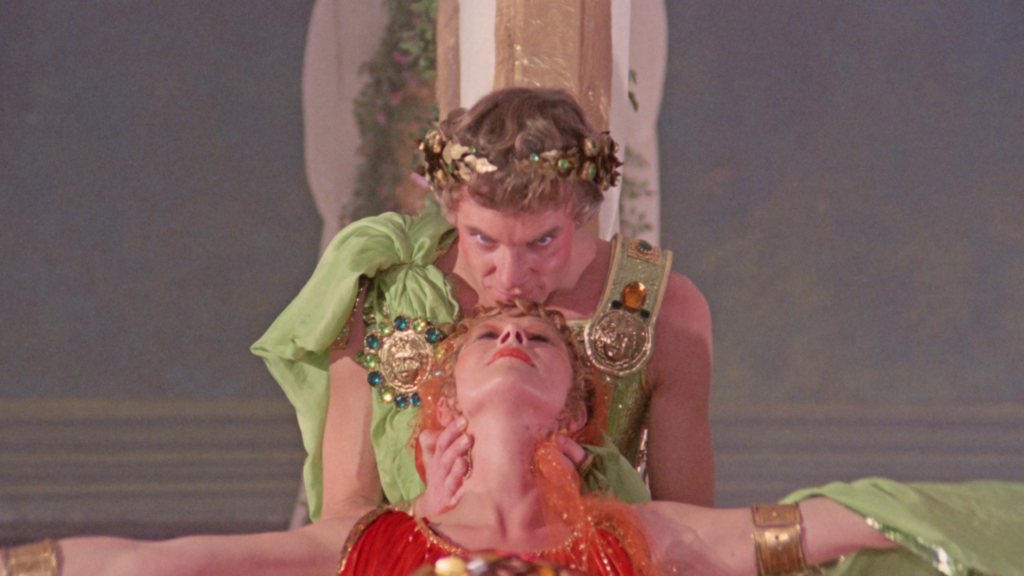
Then came the pivot that made him infamous. By the mid-’70s, Brass leaned hard into erotic territory. Salon Kitty (1976), a Nazi-bordello thriller with heavy political bite, put him on the map. Producers tapped him for Caligula (1979)—the infamous Roman excess epic originally meant as a satire on power. Bob Guccione of Penthouse fame hijacked the edit, cranked up the hardcore scenes, and Brass disowned the final cut (he’s only credited for principal photography). Still, it became his biggest calling card and one of the most controversial (and profitable) Italian films ever in the US.
From there, he doubled down on what he loved: lush visuals, liberated women owning their desires, and that unmistakable Brass touch—long takes, playful humor, and a serious appreciation for the female form. His later films feel like fantasies come to life, often light-hearted and fetish-forward rather than grim.
Major movies worth checking (in rough order of notoriety):
- Salon Kitty (1976) — Glamorous, dark, political sex drama.
- Caligula (1979) — The one everyone’s heard of.
- The Key (La Chiave, 1983) — Stefania Sandrelli in a steamy marriage story that kicked off his mature erotic phase.
- Paprika (1991) — Brothel adventures with a country girl finding her power.
- All Ladies Do It (Così fan tutte, 1992) — Playful take on jealousy and exploration.
- The Voyeur (L’Uomo che Guarda, 1994) — Based on Moravia, voyeuristic and intense.
- Frivolous Lola (Monella, 1998) — Fun, coming-of-age sensuality.
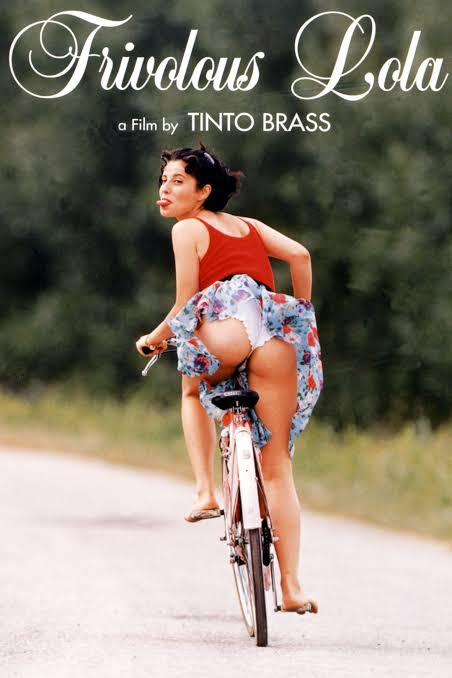
- Cheeky! (Trasgredire, 2000) — Light, cheeky (literally) comedy that fans adore.
- Later ones like Miranda (1985), Monamour (2006), and Senso ’45 (2002) kept the style going strong into his later years.
Fun Facts
Tinto Brass never directed true hardcore pornography—his films are classic erotic/softcore productions full of nudity, simulated sex, long lingering close-ups (especially on buttocks, his signature obsession), light humor, and a playful fantasy vibe. He came closest with Caligula (1979), where he directed the main scenes with stars like Malcolm McDowell, Helen Mirren, and Peter O’Toole, but producer Bob Guccione secretly added explicit hardcore footage with Penthouse models and re-edited the film against Brass’s wishes. Brass was kicked out of the editing room, publicly disowned the final cut, and only takes credit for the principal photography. The movie became a worldwide scandal, was banned in several countries, faced obscenity trials, and remains his most infamous work despite his hatred for it. Other minor controversies include Italian feminists criticizing films like Paprika for being sexist and objectifying, accusations that he endlessly repeated the same formula of beautiful women exploring desire with happy erotic endings, and serious film critics claiming he had abandoned his artistic roots of the 1960s–70s to become the “king of softcore.” In the end, Brass stayed provocatively on the border of artistic erotica and never crossed into outright porn—the hardcore elements in Caligula were entirely the producer’s doing, not his.
Now in his 90s, Brass remains a larger-than-life figure—part provocateur, part old-school romantic who treated eroticism like high art. Love him or side-eye him, the guy carved out a niche that’s impossible to ignore. He didn’t just direct movies; he celebrated bodies, freedom, and that very Italian flair for turning desire into something cinematic and unforgettable. Pop in one of his flicks, and you’ll see exactly what the fuss (and the stares) is all about.